
Planning a multilingual conference in Africa? You have secured the venue, confirmed the speakers, and drawn up the agenda. Now comes the decision that quietly determines whether delegates actually understand one another: choosing a simultaneous interpreter. Get it right and the language barrier disappears. Get it wrong and no amount of good programming will rescue the event.
Start with the language pair, not the price
Be precise about direction. Interpreting from English into French is not the same skill as interpreting from French into English, and a bilingual staff member is not an interpreter. For African NGO conferences the common requirement is a relay chain — for example, a rare local language into French, then French into English — and each leg of the chain needs a qualified professional.
Quality criteria that actually predict performance
- Formal interpretation training and accreditation with a recognized body
- Demonstrated experience in your sector: health, agriculture, human rights, climate, governance
- Familiarity with your terminology, acronyms and institutional vocabulary
- References you can contact from events of comparable size and format
- Discipline on team size: two interpreters per language per day for simultaneous work
What drives the cost
Interpretation is priced by language pair, by day and by the number of interpreters required — not by the hour in the way many first-time buyers expect. Budget lines to plan for include preparation time, travel and accommodation for interpreters, booth rental, receiver rental, a technician, and the cost of any remote platform if the event is hybrid.
Cheap quotations usually omit one of these lines. Ask explicitly what is included: preparation, equipment, technician presence, and whether the interpreters will take part in a rehearsal.
Ten questions to ask before you book
- How many interpreters will cover each language, and how will they rotate?
- Are the interpreters accredited, and by whom?
- Have they interpreted for a conference in my field before?
- What documentation will they receive, and how far in advance?
- Will there be a pre-event briefing with the speakers?
- What equipment is provided, and who installs and tests it?
- What is the fallback if the audio system fails mid-session?
- How are confidential discussions handled?
- What is the cancellation and change policy?
- Who is my single point of contact on the day?
Plan the room as carefully as the contract
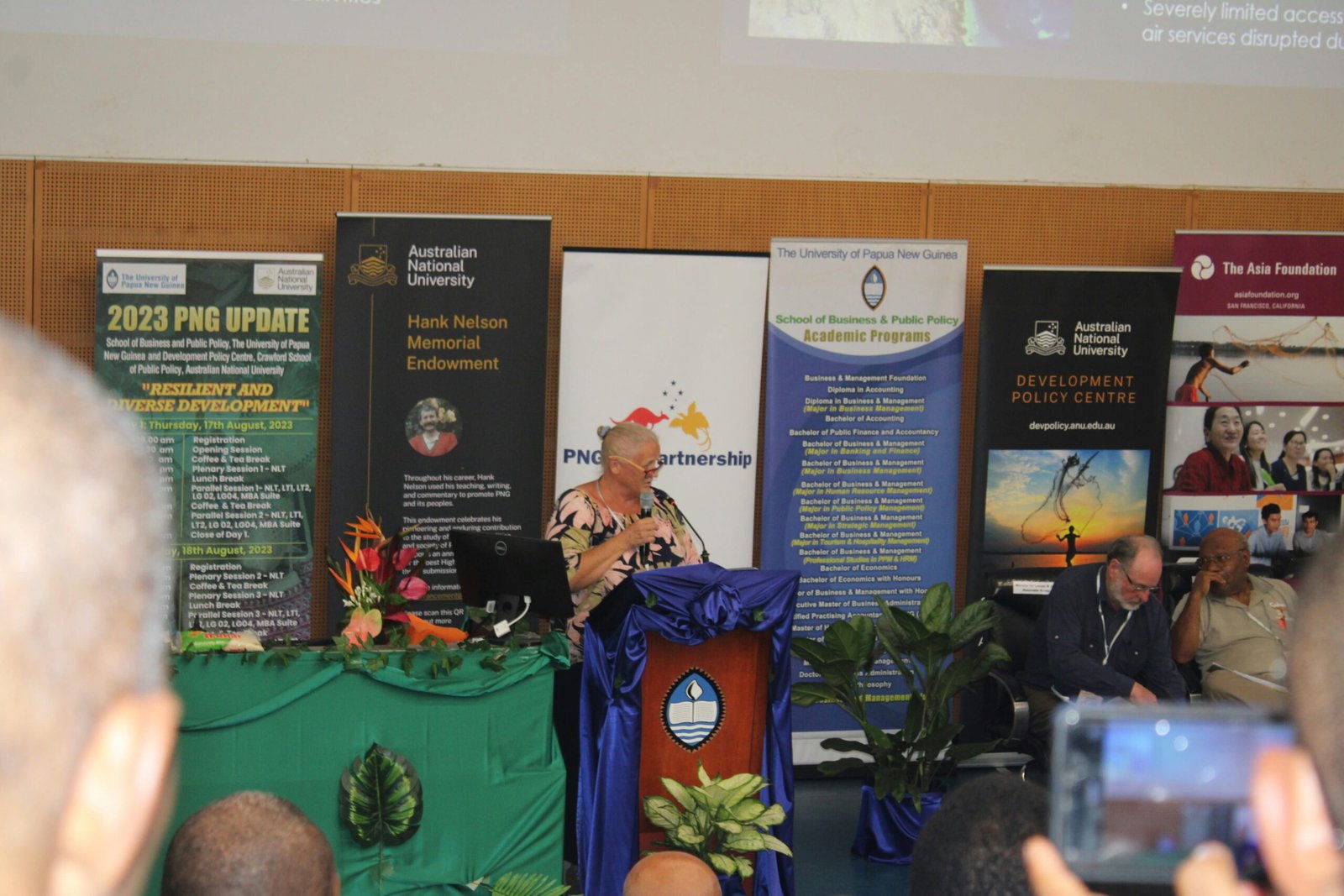
Interpreters need sight lines to the speakers and to the screens, and they need to hear the room clearly. Booth placement, microphone discipline and a dedicated technician are not details to be resolved on the morning of the event.
BarrierFri supplies certified simultaneous interpreters, ISO-compliant booths, wireless receivers and on-site technical support for NGO conferences, government meetings and international summits across Africa. Talk to us early — the best interpretation briefs are written while the agenda is still taking shape.